WASHINGTON — Iran’s foreign minister said that only a negotiated settlement could end the ongoing conflict after former U.S. President Donald Trump rejected a seven‑day roadmap that would have allowed the Strait of Hormuz to reopen. The statement was made on 27 September 2026, following a brief press briefing in Tehran where the minister reiterated the country’s willingness to engage in dialogue with Washington.
Trump’s rejection of the Hormuz roadmap
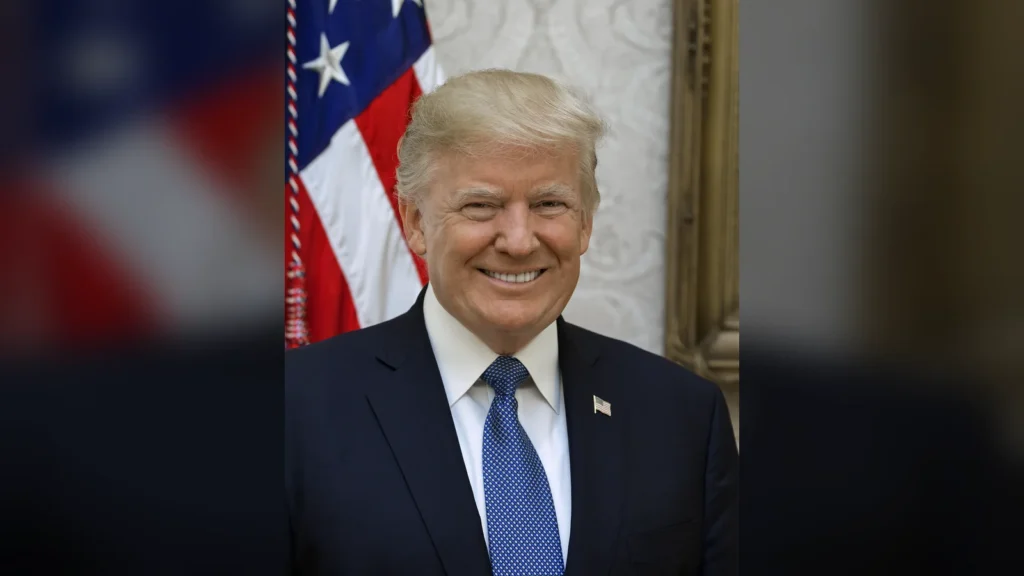
On 26 September, Al Jazeera reported that Trump had publicly dismissed the Iranian proposal to lift sanctions and reopen the Strait of Hormuz, a key shipping lane for global oil traffic. The roadmap, presented by Iran’s Ministry of Foreign Affairs, outlined a series of steps over a week that would end hostilities and restore commercial navigation. Trump’s statement was issued through a social‑media post, in which he said the proposal was “unacceptable” and would not be considered by the United States.
Iran’s call for dialogue
In a separate briefing, the Iranian foreign minister emphasized that the only way to resolve the conflict was through negotiations. He said that the country remained open to talks with Washington, but that any agreement must be based on mutual respect and the lifting of sanctions. The minister also highlighted the economic impact of the blockade on Iranian shipping and the broader regional security implications.
Context of the Hormuz dispute
The Strait of Hormuz, which connects the Persian Gulf to the Arabian Sea, is a strategic chokepoint that handles about 20 percent of the world’s petroleum exports. Since 2019, the United States has imposed sanctions on Iran that restrict shipping through the strait, citing concerns over nuclear proliferation and regional instability. The sanctions have led to a series of confrontations between the two countries, including a brief flare‑up in early 2026 when Iranian vessels were detained by U.S. naval forces.
अंतर्राष्ट्रीय प्रतिक्रिया
बीबीसी ने रिपोर्ट किया कि तेहरान द्वारा वार्ता‑आधारित समाधान की दिशा में किए जा रहे प्रयास अन्य क्षेत्रीय अभिनेताओं के बढ़ते दबाव के बीच सामने आ रहे हैं। Iranintl.com ने बताया कि ईरानी सरकार तनाव कम करने के लिए कूटनीतिक मार्ग तलाश रही है, जबकि अपने रणनीतिक उद्देश्यों को बनाए रखे हुए है। विश्लेषकों का कहना है कि ट्रम्प द्वारा अस्वीकृति भविष्य की किसी भी वार्ता को जटिल बना सकती है, क्योंकि पूर्व राष्ट्रपति का रुख वर्तमान प्रशासन की नीति को प्रभावित कर सकता है।
वैश्विक शिपिंग पर प्रभाव
हॉर्मुज़ जलडमरूमध्य के निरंतर बंद रहने से शिपिंग कंपनियों को जहाज़ों को केप ऑफ़ गुड होप के चारों ओर मोड़ना पड़ा है, जिससे पारगमन समय और लागत दोनों में वृद्धि हुई है। अंतर्राष्ट्रीय समुद्री संगठन ने चेतावनी दी है कि आगे किसी भी व्यवधान से विश्व स्तर पर तेल की कीमतें बढ़ सकती हैं। ईरानी विदेश मंत्री का वार्ता का आह्वान सामान्य शिपिंग मार्गों को पुनर्स्थापित करने और दोनों पक्षों पर आर्थिक दबाव को कम करने के उद्देश्य से किया गया है।
भविष्य की दृष्टि
जबकि संयुक्त राज्य ने ईरानी रोडमैप पर कोई औपचारिक प्रतिक्रिया नहीं दी है, व्हाइट हाउस ने “नॉन‑प्रोलिफरेशन” रणनीति के प्रति अपनी प्रतिबद्धता दोहराई है। इस बीच ईरानी सरकार ने एक “संतुलित” दृष्टिकोण की मांग की है, जिसमें कूटनीतिक रियायतों के बदले प्रतिबंधों में राहत शामिल हो। वार्ता प्रक्रिया के अगले कदम अभी अस्पष्ट हैं, परन्तु दोनों पक्षों ने सहभागिता की इच्छा व्यक्त की है।
प्राथमिक स्रोत एवं आधिकारिक दस्तावेज़
- Iranian minister says only negotiation can end conflict after Trump rejects Hormuz deal
- Iranian minister says only negotiation can end conflict after Trump rejects Hormuz deal –
- Tehran seeks negotiated way out as Washington maintains pressure – iranintl.com
- Trump rejects Iran’s seven-day roadmap to end war and reopen Hormuz – Al Jazeera