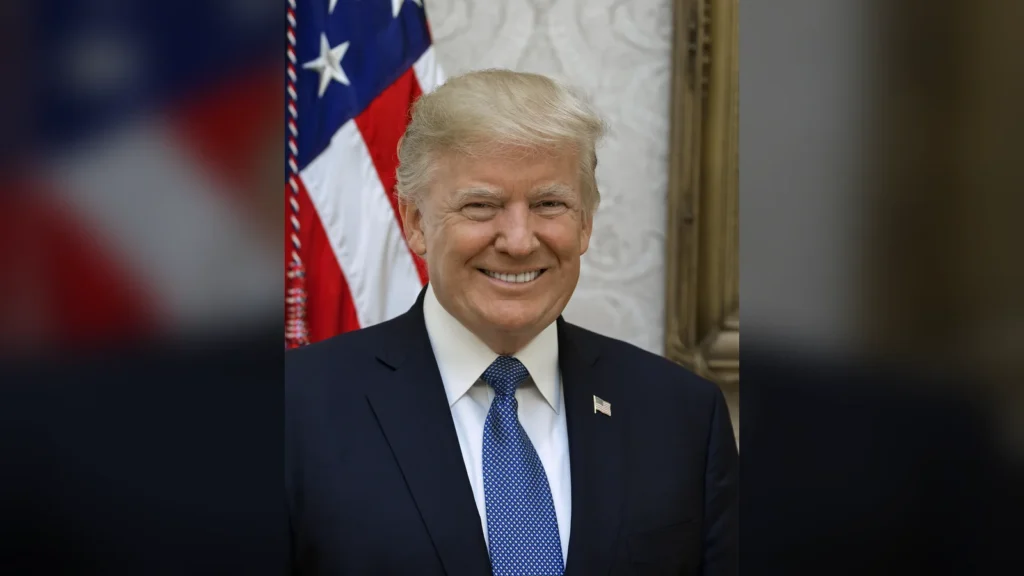
GENEVA — Iranian officials stated on Sunday that only a negotiated settlement can resolve the ongoing conflict with the United States, following President Donald Trump’s public rejection of a proposed deal regarding navigation in the Strait of Hormuz. The diplomatic exchange highlights a persistent deadlock between Washington and Tehran, with both sides offering conflicting assessments of the other’s intent and good faith in the peace process.
The comments from the Iranian foreign ministry come at a critical juncture in the broader geopolitical standoff. According to reporting by BBC News, Iranian ministers emphasized that military escalation would not yield a sustainable outcome and that diplomatic engagement remains the sole viable mechanism for de-escalation. This stance contrasts sharply with the position articulated by the United States, which has characterized recent Iranian overtures as insufficient to meet American security requirements.
Washington’s assessment of Iranian intent
In a parallel development, U.S. Ambassador to the United Nations Michael Waltz stated that Iran was not negotiating in good faith to end the war. As reported by The Guardian, Ambassador Waltz’s remarks underscore the administration’s skepticism regarding Tehran’s commitment to a comprehensive peace agreement. The U.S. delegation at the United Nations has consistently argued that previous diplomatic efforts have been undermined by Iranian actions that it views as inconsistent with stated intentions.
The divergence in rhetoric between the two capitals reflects a deeper structural disagreement over the terms of any potential accord. While Tehran focuses on the necessity of lifting sanctions and ensuring non-interference in its internal affairs, Washington insists on verifiable commitments to limit Iran’s nuclear program and curb its support for regional proxy groups. The rejection of the specific Hormuz deal by President Trump signals that the U.S. is unwilling to accept a framework that does not address these broader strategic concerns.
Strategic implications of the Hormuz dispute
The Strait of Hormuz remains a focal point of tension due to its critical role in global energy markets. Approximately one-fifth of the world’s daily oil supply transits through this narrow waterway, making any disruption a matter of significant economic consequence. The proposed deal, which was rejected by the U.S. president, reportedly included provisions for enhanced maritime security cooperation and the de-escalation of naval confrontations in the region.
विशेषज्ञों का कहना है कि इस विशेष ढांचे के अस्वीकार होने से भविष्य की वार्ताओं की संभावनाएँ पूरी तरह समाप्त नहीं होतीं, हालाँकि इससे यह स्पष्ट होता है कि वर्तमान कूटनीतिक प्रक्रिया अवरुद्ध हो गई है। ईरान की बातचीत के माध्यम से समाधान की जिद यह संकेत देती है कि तेहरान दीर्घकालिक सामना की संभावनाओं के लिए तैयारी करते हुए कूटनीतिक संवाद चैनल को बनाए रखना चाहता है। यह द्वि-मार्गीय दृष्टिकोण ईरानी नेताओं को यह प्रदर्शित करके घरेलू दर्शकों के बीच अपनी बात रखने की अनुमति देता है कि वे वार्ता के लिए तैयार हैं, जबकि संभावित सैन्य कार्रवाई के विरुद्ध वे एक रक्षात्मक स्थिति बनाए रखते हैं।
अंतर्राष्ट्रीय प्रतिक्रिया और कूटनीतिक प्रयास
अंतर्राष्ट्रीय प्रेक्षियों ने दोनों पक्षों से वार्ता ताले पर लौटने की अपील की है, चेतावनी देते हुए कि लगातार बढ़ती तनावपूर्ण स्थिति वैश्विक ऊर्जा मूल्यों और क्षेत्रीय सुरक्षा पर विनाशकारी प्रभाव डाल सकती है। विशेष रूप से यूरोपीय कूटनीतिज्ञों ने खाड़ी क्षेत्र में दीर्घकालिक अनिश्चितता के आर्थिक प्रभावों को उल्लेख करते हुए वार्ताओं के पुनरारंभ की मांग की है। संयुक्त राष्ट्र महासचिव ने भी कूटनीतिक समाधान की महत्वपूर्ण भूमिका पर जोर दिया है, यह स्पष्ट करते हुए कि सैन्य विकल्पों को केवल अंतिम उपाय के रूप में ही विचार किया जाना चाहिए।
वर्तमान अडचल के बावजूद, कुछ कूटनीतिक स्रोतों का संकेत है कि दोनों देशों के बीच बैक-चैनल संचार सक्रिय बने हुए हैं। ये अनौपचारिक चर्चाएँ, हालाँकि अभी तक किसी बड़े समाधान की ओर नहीं ले गई हैं, भविष्य में संवाद के लिए एक संभावित मार्ग प्रदान करती हैं। चुनौती दोनों पक्षों की स्थितियों के बीच मौजूद गहरे अंतर को दूर करने में निहित है, जिसके लिए न केवल राजनीतिक इच्छाशक्ति की आवश्यकता है, बल्कि सत्यापन तंत्र और प्रवर्तन प्रोटोकॉल पर तकनीकी समझौतों की भी आवश्यकता है।
जैसे-जैसे स्थिति विकसित होगी, ध्यान इस बात पर केंद्रित रहेगा कि क्या कोई पक्ष व्यापक समझौते की ओर ले जाने वाले समझौतों के लिए तैयार है। आने वाले सप्ताह तय करने के लिए महत्वपूर्ण साबित होंगे कि क्या यह संघर्ष तनाव कम करने की ओर बढ़ रहा है या और तीव्र हो रहा है, जिसका वैश्विक स्थिरता और आर्थिक बाजारों पर गहरा प्रभाव पड़ सकता है।