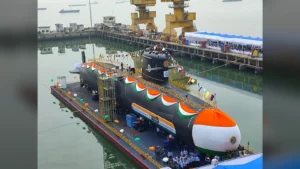
NEW DELHI — India’s defence sector has entered a new phase of self‑reliance, a trend underscored by a fact sheet released by the Press Information Bureau on 27 September 2026. The document lists a series of milestones in indigenous manufacturing, from aircraft to naval platforms, and frames them within the broader context of national security. It also notes that the country’s defence production capacity has expanded in the last decade, a development that the Ministry of Defence has linked to the ‘Make in India’ initiative and the Defence Procurement Procedure reforms.
In a statement accompanying the fact sheet, the Ministry said that the increase in domestic production is part of a long‑term strategy to reduce dependence on foreign suppliers. The document lists several key projects, including the indigenous fighter aircraft, the naval frigate programme, and the development of advanced missile systems. It also highlights the role of public‑private partnerships in scaling up production lines and the establishment of new defence manufacturing hubs across the country.
Strategic Tie‑Ups with the United States
The fact sheet notes that India’s defence ties with the United States have deepened in recent years. The two countries have conducted joint exercises, most notably Yudh Abhyas 2026, which was held in the eastern sector of the country. The exercise, described by the Ministry as a “platform for interoperability,” involved air, naval and ground forces from both nations and included live‑fire drills and joint command simulations.
According to an independent report by The Indian Awaaz, US Ambassador Sergio Gor praised the growing partnership during a briefing with Indian defence officials. The report states that Ambassador Gor highlighted the importance of joint exercises and technology transfer in strengthening India’s deterrence posture. A separate post on Defence.in echoes this sentiment, noting that the exercise reflected the “growing strength of the India‑US defence partnership.”
Domestic Production Gains
The PIB fact sheet lists several high‑profile indigenous projects that have reached new milestones. The Light Combat Aircraft (LCA) Tejas, for example, has entered the final phase of production, with the Ministry reporting that the first batch of aircraft will be delivered to the Indian Air Force in 2027. The Navy’s indigenous frigate programme, which began in 2018, has now produced its first ship, the INS Shivalik, which entered service in 2025. The Defence Research and Development Organisation (DRDO) has also announced progress on the Advanced Medium Range Air Defence (AMRAD) system, a missile platform that is expected to enter operational service by 2029.
इन परियोजनाओं के अतिरिक्त, मंत्रालय ने गुजरात में स्थित रक्षा उत्पादन हब के विस्तार को उजागर किया, जिसमें अब पाँच प्रमुख रक्षा निर्माताओं का समावेश है। तथ्य‑पत्र के अनुसार, 2021 से इस हब ने अपनी वार्षिक उत्पादन क्षमता में 30 प्रतिशत की वृद्धि की है। मंत्रालय ने यह भी बताया कि घरेलू रक्षा उद्योग ने विदेशी निवेश को आकर्षित किया है, जहाँ कई बहुराष्ट्रीय कंपनियों ने भारतीय फर्मों के साथ संयुक्त उद्यम स्थापित करके घटकों और प्रणालियों का उत्पादन किया है।
नीति सुधार और खरीद प्रक्रिया
तथ्य‑पत्र में कई नीति सुधारों का विवरण दिया गया है, जो खरीद प्रक्रिया को सरल बनाने और स्थानीय उत्पादन को प्रोत्साहित करने के उद्देश्य से हैं। उदाहरण के तौर पर, रक्षा खरीद प्रक्रिया (DPP) 2024 ने “Buy Indian” धारा लागू की है, जिसके तहत सभी प्रमुख रक्षा अनुबंधों में न्यूनतम 70 प्रतिशत स्थानीय सामग्री का प्रयोग अनिवार्य किया गया है। मंत्रालय ने एक नया “रक्षा नवाचार निधि” भी घोषित किया है, जो कृत्रिम बुद्धिमत्ता, क्वांटम कंप्यूटिंग और हाइपरसोनिक हथियारों जैसी उन्नत तकनीकों पर कार्यरत स्टार्ट‑अप्स को प्रारम्भिक पूँजी प्रदान करेगा।
मंत्रालय के अनुसार, इन सुधारों के कारण पिछले वित्तीय वर्ष में अनुबंध प्राप्त करने वाले घरेलू आपूर्तिकर्ताओं की संख्या में 15 प्रतिशत की वृद्धि हुई है। तथ्य‑पत्र में 2025 के एक ऑडिट का भी उल्लेख है, जिसमें महत्वपूर्ण घटकों की खरीद के औसत लीड‑टाइम में 12 प्रतिशत की कमी पाई गई, जिसे मंत्रालय ने नई खरीद ढाँचे को श्रेय दिया है।
राष्ट्रीय सुरक्षा के लिए प्रभाव
हालाँकि तथ्य‑पत्र इन विकासों के भारत की समग्र रक्षा तत्परता पर प्रभाव को संख्यात्मक रूप से नहीं दर्शाता, यह रेखांकित करता है कि एक सुदृढ़ घरेलू उद्योग रणनीतिक स्वायत्तता बनाए रखने के लिए आवश्यक है। मंत्रालय के बयान में यह भी कहा गया है कि उत्पादन क्षमता में वृद्धि से भारत को इंडो‑पैसिफिक क्षेत्र में उभरती सुरक्षा चुनौतियों का शीघ्रता से सामना करने में सहायता मिलेगी।
इंडो‑यूएस साझेदारी के संदर्भ में, मंत्रालय ने यह उजागर किया कि “युद्ध अभ्यास” जैसे संयुक्त अभ्यास सर्वोत्तम प्रथाओं और प्रौद्योगिकी के आदान‑प्रदान के लिए मंच प्रदान करते हैं। मंत्रालय के आकलन के अनुसार, यह अभ्यास संभावित प्रतिद्वंद्वियों के प्रति निरोधक के रूप में भी कार्य करता है। तथ्य‑पत्र इस निष्कर्ष पर पहुँचता है कि घरेलू उत्पादन वृद्धि और रणनीतिक गठबंधनों का संयोजन भारत को बाहरी आपूर्तिकर्ताओं पर अत्यधिक निर्भरता के बिना अपनी रक्षा आवश्यकताओं को पूरा करने में सक्षम बनाता है।